Maternal Health
Every mom should have a healthy pregnancy and delivery. Every infant should have a healthy start to life.
New York must do more to support expectant and new mothers, and to eliminate disparities in birth outcomes for moms of color and particularly Black moms.
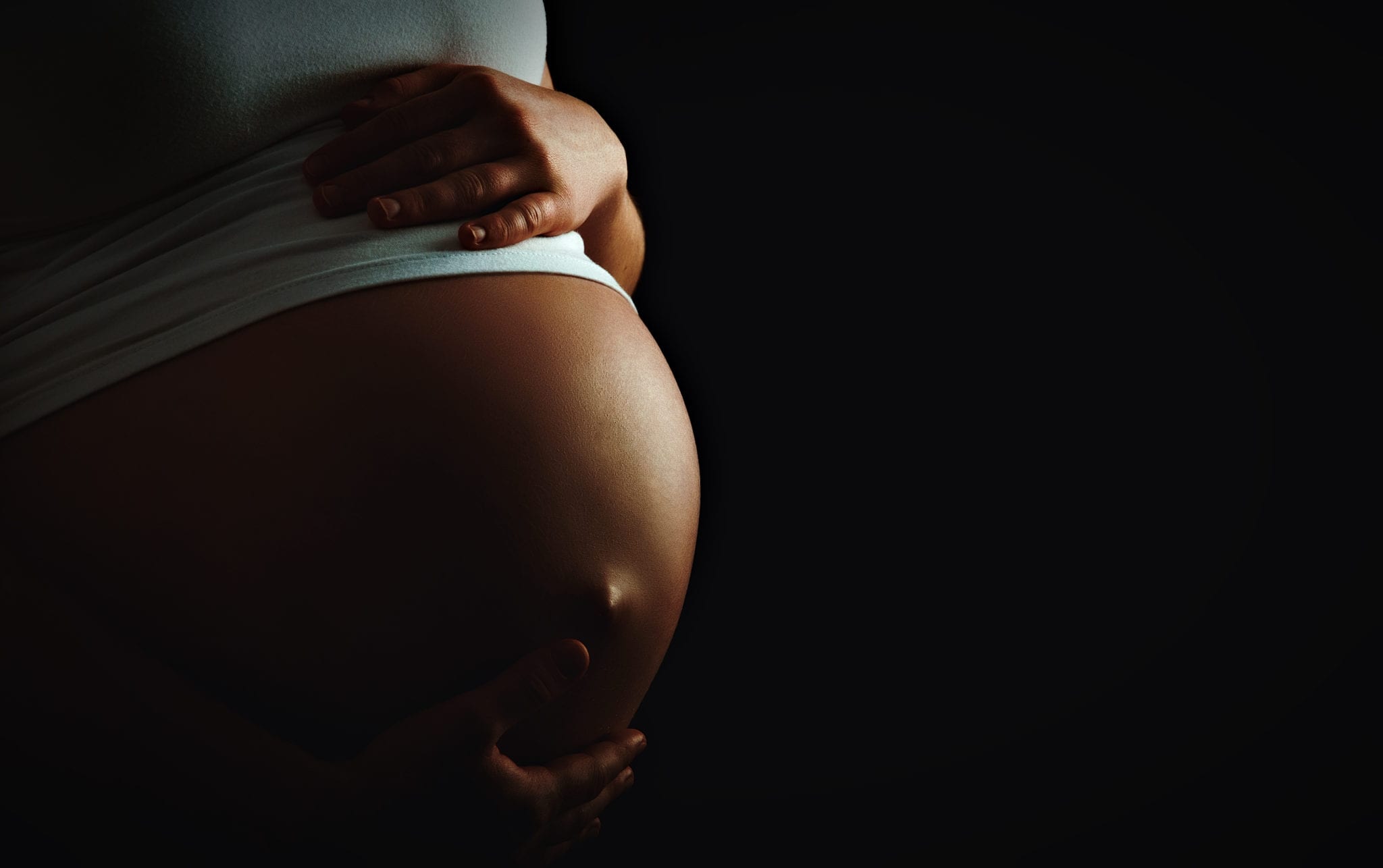
New York has one of the highest maternal mortality rates in the country. For every 100,000 live births in our state, there are 21.7 maternal deaths, compared to our national average of 23.5. The United States as a whole is facing a crisis of unacceptably poor outcomes for maternal health overall, but especially for moms of color and Black moms specifically. A Black mom in the United States is 3-4 times more likely to die from pregnancy-related complications, and much more likely to give birth to new babies with low-weight at birth. From access to affordable prenatal and perinatal care to anti-discriminatory and anti-racist maternal care, to high-quality support for postpartum mental health, we must do more.
Pregnancy, giving birth, and the first year of motherhood should be a safe and supportive experience for all women. Read below to learn more about the maternal health crisis facing our state, get resources if you are a new or expectant mom who needs support, and take action to help make New York State the best place in the country to have a baby.
Maternal Mental Health
Between 15-20% of new moms experience maternal depression or anxiety. The Schuyler Center website has a number of resources covering screening, referral, and treatment for maternal mental health.
Severe Maternal Morbity
New York State’s severe maternal morbidity rate is higher than the national average, and most concerning in New York City.
The Maximizing Midwifery report outlines how we can achieve high-value maternal care in New York.
Maternal Mortality
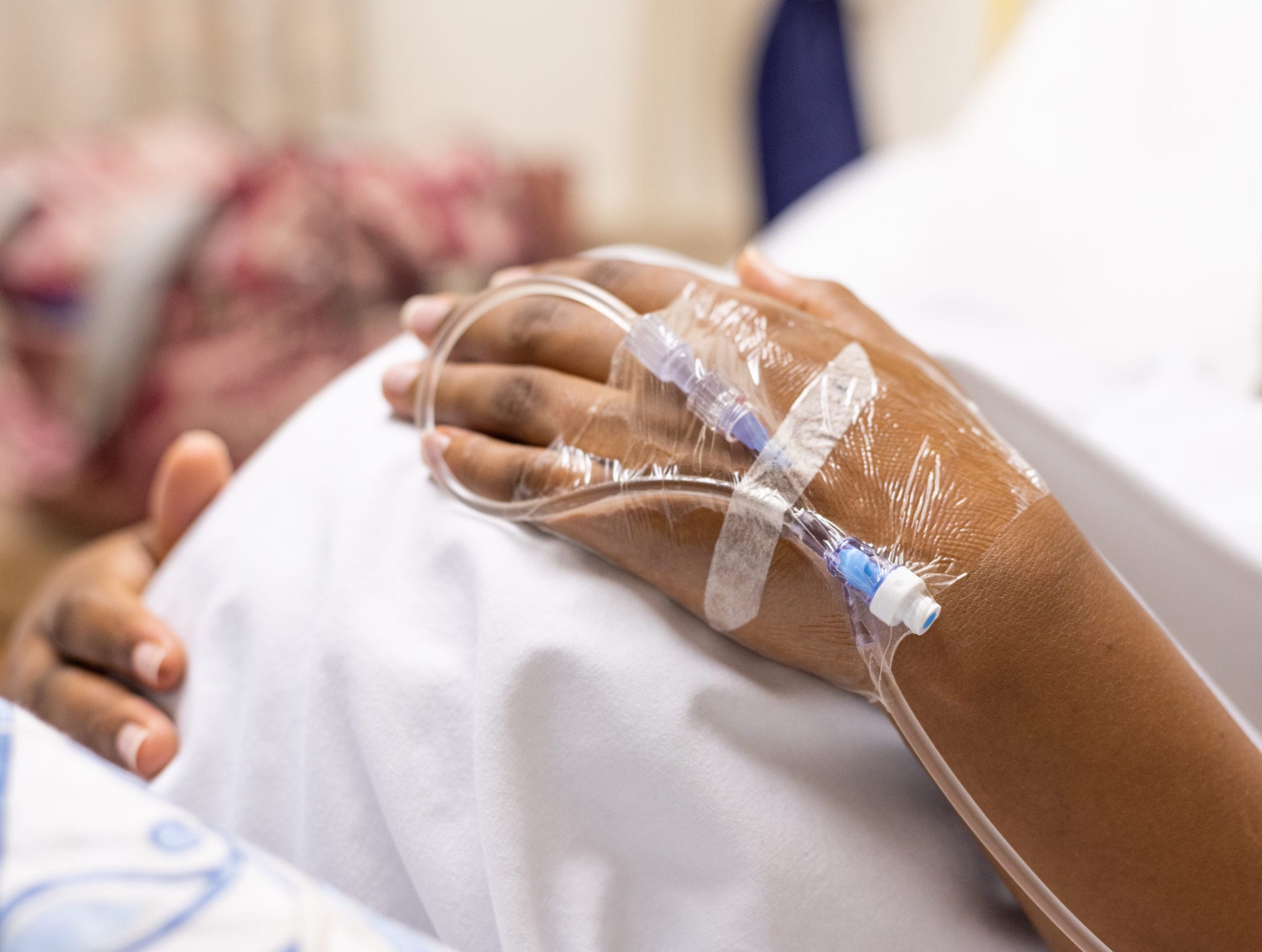
In New York City, Black moms are more than 12 times more likely to die from pregnancy-related complications than White moms. New York State is ranked 30th in the nation in its maternal mortality rate, and this rate has been on the rise over the past two decades.
Read the New York State Maternal Mortality and Morbidity Advisory Council Report March 2023 report.
Disparities in Maternal Outcomes by Race
Get Support
The organizations and resources below exist to help new and expectant moms access the resources and support they need.
Sharing Their Strength
Chanel almost died. Twice.
Vanessa’s fears about protecting her baby led her to isolate herself from friends and family.
Geri fell into a deep postpartum depression after giving birth to her newborn.
These women are not alone. They are among the hundreds of thousands of New York mothers who lack access to knowledgeable medical and mental health professionals who specialize in perinatal mood and anxiety disorders.
Something must change.
Testimony for the Joint Legislative Budget Hearing on Health & Medicaid
It is critical that we expand the Medicaid continuous coverage to mothers and children up to age 6. Access to high-quality maternal health and pediatric primary care is crucial to supporting the health and wellness of mothers and their young children, particularly the health of Black mothers, who are five times more likely to die of a pregnancy-related cause than White women in New York State.
Testimony: 3-K Funding Cuts and Delayed Reimbursements to Early Childhood Providers in NYC
Wages for child care and early educators remain in the bottom 3% of earners 2; without consistent and livable wages, the child care workforce shortage will continue.
Testimony: 2023 Joint Budget Hearing on Taxes
The Working Families Tax Credit, Senate Bill 277 (Gounardes), proposes combining and strengthening New York’s ESCC and EITC. For individual New Yorkers and families currently eligible for the ESCC, EITC, or both, the combined credit they would receive from the WFTC would be greater, or equal to the sum of the two credits. For the lowest income, and many immigrant New Yorkers, the credit amount would be significantly greater under the WFTC.